Robinson Cole LLP
High Contrast Mode

Mallori D. Thompson focuses her practice on all aspects of general business litigation and dispute resolution, including tort and contract matters. Her experience includes drafting pleadings, motions, and appellate briefs in both state and federal courts and assisting in conducting internal investigations.

Mallori served as a judicial law clerk for the Honorable Victor A. Bolden of the U.S. District Court for the District of Connecticut, where she drafted written decisions on civil motions and managed the criminal and civil dockets.      

Mallori also clerked in the chambers of Connecticut Supreme Court Chief Justice Richard A. Robinson, conducting research, drafting bench briefs in advance of oral arguments, and assisting in preparing preliminary draft opinions of cases before the Court. This often involved researching legislative histories and interpreting state and federal statutes, regulations, and case law.      

While in law school, Mallori served as a Community Justice Fellow at Greater Hartford Legal Aid, providing legal information and facilitating connections to those in need of legal services, assisting particularly in matters of family violence and special education advocacy.      

Pro Bono + Community Involvement

Mallori devotes significant time to community engagement. While a Summer Intern with our firm she assisted in the Domestic Violence Restraining Order Program. For those efforts, Mallori was inducted into the Connecticut Coalition Against Domestic Violence First 100 Plus Class of 2019.

In addition, Mallori is a Captain, Medical Service Officer in the U.S. Army Reserves based at Westover Air Reserve Base in Chicopee, Massachusetts.

  • University of Connecticut School of Law (Juris Doctor, Human Rights Certificate)
    • Connecticut Law Review, Editor-in-Chief
    • Dean’s Scholar and Leadership Fellow
    • 2021 American Law Institute Continuing Legal Education Scholarship Leadership Award
    • CALI Excellence Award for Intensive Trial Advocacy
    • Connecticut Moot Court Board, Alva P. Loiselle Moot Court Competition Finalist
    • Diversity Alliance, President | Student Bar Association, Chief Administrative Officer | Mock Trial Society
  • Spelman College (Bachelors, magna cum laude)
    • B.A., Comparative Women’s Studies, Public Policy Concentration
    • TRIOTA Women’s Studies Honor Society

  • State of Connecticut
  • U.S. District Court, District of Connecticut

Next Generation of Leaders (Law Firm) Winner as part of Corporate Counsel's 2026 Women, Influence & Power in Law (WIPL) Awards

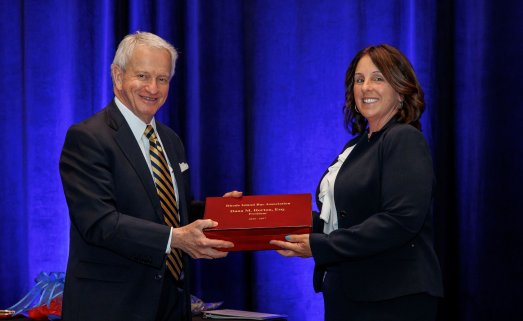
UConn Law Alumni Association 2024 Graduate of the Last Decade Impact Award

Selected for The National Black Lawyers Association “Top 40 Under 40” for 2023

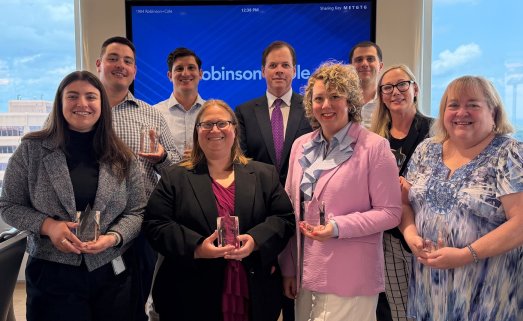
Robinson+Cole Diversity, Equity, and Inclusion Award Recipient, 2023

Named to the Connecticut Coalition Against Domestic Violence (CCADV) First 100 Plus Class of 2019 for demonstrating leadership and commitment to improving the lives of domestic violence survivors throughout Connecticut

Presented with the 2018 George C. Marshall Leadership Award

Selected as a Rising Star to the Connecticut Super Lawyers list for 2025

George W. Crawford Black Bar Association
President (2024 - 2025)
President-elect (2023 - 2024)
Vice President (2021 - 2023)
Member (2021 - present)

Connecticut Bar Association
Co-Chair, Diversity, Equity, & Inclusion Committee

Oliver Ellsworth American Inn of Court

Women's White Collar Defense Association, Connecticut Chapter
Social Media Coordinator (2022 - 2023)    

Guest Lecturer, University of Connecticut Undergraduate Honors Program: The Practice of Law & Professional Identity Course, Professor Jessica Panella

Faculty Member, Connecticut Judicial Branch Civics Academy

Events


Past

Narrative Justice: Storytelling as a Means for Shaping DE&I Initiatives

Jun 13 2025
2025 Connecticut Legal Conference
Past

Lawyers Collaborative for Diversity Law School Affinity Summit for Law Students

Nov 8 2024
Quinnipiac University School of Law
Past

Narrative Justice: Storytelling as a Means for Shaping DE&I Initiatives

Jun 13 2025
2025 Connecticut Legal Conference
Past

Lawyers Collaborative for Diversity Law School Affinity Summit for Law Students

Nov 8 2024
Quinnipiac University School of Law

Publications


Legal Update: DOJ Announces First False Claims Act Settlement for “Illegal DEI Practices” teaser
April 14, 2026

Legal Update: DOJ Announces First False Claims Act Settlement for “Illegal DEI Practices”

September/October 2024

George W. Crawford Black Bar Association: Achieving Collective Outcomes through a Focus on Equity and Justice in Connecticut’s Legal Profession

CT Lawyer Magazine
November/December 2023

How Litigators Can Help Advance Economic Justice Through Pro Bono Service

CT Lawyer Magazine
Legal Update: DOJ Announces First False Claims Act Settlement for “Illegal DEI Practices” teaser
April 14, 2026

Legal Update: DOJ Announces First False Claims Act Settlement for “Illegal DEI Practices”

September/October 2024

George W. Crawford Black Bar Association: Achieving Collective Outcomes through a Focus on Equity and Justice in Connecticut’s Legal Profession

CT Lawyer Magazine
November/December 2023

How Litigators Can Help Advance Economic Justice Through Pro Bono Service

CT Lawyer Magazine
June 8, 2023

Breaking the Mold – Best Practices by Educational Institutions to Limit Mold Exposure and Loss

American School & University

Mold is one of the oldest life forms on the planet, and it continues to be a hot topic among health experts – as well as those operating and maintaining education facilities. Most types of mold grow in high-moisture areas. Mold plays an important part in our ecosystem and can have various beneficial uses, but prolonged exposure to elevated levels of certain mold types can cause allergic reactions and respiratory problems, which may be severe. Complaints about mold at education institutions may arise from students, employees or visitors. Unlike many contaminants, however, there may be few clear regulatory or health-based limits to define acceptable versus unacceptable levels for mold. Given that, plus the different types of mold and different levels of personal sensitivity, determining the risk from mold exposure can be complicated. Often, the initial response made following a mold complaint is immediate testing; however, the process, scope, and type of testing may raise more issues that must be addressed. To Test or Not Test Before a decision is made to test, several issues should be considered in consultation with technical and legal resources that are experienced in dealing with mold issues. Those issues include: Determining which test method(s) to use, and how best to carry out tests in a specific setting Ensuring that the selected test method(s) are carried out properly Interpreting test results Determining “action levels” (i.e., results that warrant follow-up action), and what such action should be Confirming that the institution is prepared to promptly commit the resources necessary for such action Testing for mold may be more complex than expected. Unlike most contaminants, mold is ubiquitous in nature as well as in built environments. The many different types of mold further complicate the picture. Some molds always produce toxins, other molds produce toxins only in certain environments and some molds do not produce toxins in any environment. Contributing to the problem, the U.S. Centers for Disease Control and Prevention does not recommend routine sampling for mold because there are no established standards for determining what constitutes a “normal” level. If a decision is made to proceed with testing for mold, the uncertainties potentially associated with such testing make it necessary to consider how to appropriately manage information and discussions resulting from such testing. Depending on the context, it also may be appropriate to consider whether and to what degree confidentiality or attorney-client privilege protections are warranted. Prevent, Detect and Abate The time and costs required for testing and the potential value of test results should be weighed against the value of prevention, detection and abatement strategies. These strategies include: Periodically checking for possible moisture sources that could create mold issues in interior spaces Conducting visual or odor checks for mold, and using enhanced cleaning regimens in potential problem areas For moisture sources, mold experts assess not only for potential sources of liquid water (e.g., plumbing leaks), but also for water vapor (e.g., hot, humid exterior air entering air-conditioned interiors, leading to condensation). Vapor is a particular challenge on college campuses at the beginning and end of the academic year when students or visitors prop doors open to facilitate move-in or move-out. When an institution identifies a mold problem or becomes aware of a mold complaint, it is important to promptly locate and abate moisture source(s) at the specific location as well as any surrounding areas that may also be affected. The immediate response should take into account how it will affect students or employees who report having allergies or other respiratory problems. Such persons should be relocated immediately until mold removal professionals can clean the affected areas. One prevention method schools should consider is educating students on the instrumental role they play in causing or preventing the growth of mold. Encouraging best practices for student spaces and common areas can help institutions lower the risk of significant mold growth. These best practices include preventing mold growth by: Hanging wet towels or sweaty clothes to dry Using exhaust fans when showering Mopping up spills immediately, whether on floors, on countertops, inside cabinets, or elsewhere Ensuring any rugs or carpets that receive spills or tracked-in rain, snow, or ice do not stay wet Immediately reporting any wet rugs or carpets that cannot be easily dried Immediately reporting any odors Another important prevention method is diligent building maintenance. One of the many dangers of deferred maintenance, particularly in older buildings, is the growth of mold. Delays in tasks like repairing window or roof leaks or insulating piping can lead to mold infestations. Although deferring seemingly minor repairs might save costs in the short term, it can necessitate future mold remediation that may be urgent and far costlier and could expose the institution to bad publicity or legal liability. For example, a 2019 class action lawsuit against Indiana University Bloomington cited widespread mold infestation in university residence halls because of chronically leaking pipes, condensate leaks from heating and cooling systems, roof leaks, and many other unaddressed maintenance deficiencies. The university’s response included installing air filtration systems, but those led to noise complaints and an expansion of the lawsuit. The university was ultimately successful on appeal, but not before compensating 2,458 students a total of $7.7 million and enduring high-profile negative publicity. Before significant mold problems occur, institutions can employ prevention methods such as: Performing regular building and HVAC inspections that include scrutiny of potential mold sources or hot spots Routing vents outdoors for all moisture-generating appliances Avoiding putting carpeting in high-humidity spaces such as basements Assessing and if necessary, controlling humidity levels in all interior spaces Although mold is ubiquitous, serious mold infestations and resulting class-action lawsuits do not have to be. With planning and preventive action, education institutions can limit mold-related exposure and loss.

February 25, 2023

Changes to Conditions of SEC Rule 10b5-1 Obligations

National Law Review
November 6, 2022

What May Shape The Scope Of Affirmative Action Ruling

Law360 Expert Analysis

The “Expert Analysis” article examines the affirmative action cases Students for Fair Admissions v. University of North Carolina and Students for Fair Admissions v. President and Fellows of Harvard College, dating from November and February 2021, respectively, following oral arguments presented before the U.S. Supreme Court. The authors conclude that “the fate of race-conscious admissions in higher education is no longer in any real doubt." The two cases closely resemble the most recent attempt in Fisher II (2016) to prohibit university admissions from considering race, in which the court’s then-majority determined that consideration of racial minority status was constitutional because the educational benefit of diversity in collegiate environments was 1) a sufficiently measurable compelling interest and 2) there was not a workable, race-neutral alternative to achieve diversity. Since then, the composition of the court’s justices has shifted dramatically to the right. However, the authors note that “there appear to be divisions within the court’s conservative bloc that may shape the breadth of holdings for the cases’ common petitioner.” View the article.


June 8, 2023

Breaking the Mold – Best Practices by Educational Institutions to Limit Mold Exposure and Loss

American School & University

Mold is one of the oldest life forms on the planet, and it continues to be a hot topic among health experts – as well as those operating and maintaining education facilities. Most types of mold grow in high-moisture areas. Mold plays an important part in our ecosystem and can have various beneficial uses, but prolonged exposure to elevated levels of certain mold types can cause allergic reactions and respiratory problems, which may be severe. Complaints about mold at education institutions may arise from students, employees or visitors. Unlike many contaminants, however, there may be few clear regulatory or health-based limits to define acceptable versus unacceptable levels for mold. Given that, plus the different types of mold and different levels of personal sensitivity, determining the risk from mold exposure can be complicated. Often, the initial response made following a mold complaint is immediate testing; however, the process, scope, and type of testing may raise more issues that must be addressed. To Test or Not Test Before a decision is made to test, several issues should be considered in consultation with technical and legal resources that are experienced in dealing with mold issues. Those issues include: Determining which test method(s) to use, and how best to carry out tests in a specific setting Ensuring that the selected test method(s) are carried out properly Interpreting test results Determining “action levels” (i.e., results that warrant follow-up action), and what such action should be Confirming that the institution is prepared to promptly commit the resources necessary for such action Testing for mold may be more complex than expected. Unlike most contaminants, mold is ubiquitous in nature as well as in built environments. The many different types of mold further complicate the picture. Some molds always produce toxins, other molds produce toxins only in certain environments and some molds do not produce toxins in any environment. Contributing to the problem, the U.S. Centers for Disease Control and Prevention does not recommend routine sampling for mold because there are no established standards for determining what constitutes a “normal” level. If a decision is made to proceed with testing for mold, the uncertainties potentially associated with such testing make it necessary to consider how to appropriately manage information and discussions resulting from such testing. Depending on the context, it also may be appropriate to consider whether and to what degree confidentiality or attorney-client privilege protections are warranted. Prevent, Detect and Abate The time and costs required for testing and the potential value of test results should be weighed against the value of prevention, detection and abatement strategies. These strategies include: Periodically checking for possible moisture sources that could create mold issues in interior spaces Conducting visual or odor checks for mold, and using enhanced cleaning regimens in potential problem areas For moisture sources, mold experts assess not only for potential sources of liquid water (e.g., plumbing leaks), but also for water vapor (e.g., hot, humid exterior air entering air-conditioned interiors, leading to condensation). Vapor is a particular challenge on college campuses at the beginning and end of the academic year when students or visitors prop doors open to facilitate move-in or move-out. When an institution identifies a mold problem or becomes aware of a mold complaint, it is important to promptly locate and abate moisture source(s) at the specific location as well as any surrounding areas that may also be affected. The immediate response should take into account how it will affect students or employees who report having allergies or other respiratory problems. Such persons should be relocated immediately until mold removal professionals can clean the affected areas. One prevention method schools should consider is educating students on the instrumental role they play in causing or preventing the growth of mold. Encouraging best practices for student spaces and common areas can help institutions lower the risk of significant mold growth. These best practices include preventing mold growth by: Hanging wet towels or sweaty clothes to dry Using exhaust fans when showering Mopping up spills immediately, whether on floors, on countertops, inside cabinets, or elsewhere Ensuring any rugs or carpets that receive spills or tracked-in rain, snow, or ice do not stay wet Immediately reporting any wet rugs or carpets that cannot be easily dried Immediately reporting any odors Another important prevention method is diligent building maintenance. One of the many dangers of deferred maintenance, particularly in older buildings, is the growth of mold. Delays in tasks like repairing window or roof leaks or insulating piping can lead to mold infestations. Although deferring seemingly minor repairs might save costs in the short term, it can necessitate future mold remediation that may be urgent and far costlier and could expose the institution to bad publicity or legal liability. For example, a 2019 class action lawsuit against Indiana University Bloomington cited widespread mold infestation in university residence halls because of chronically leaking pipes, condensate leaks from heating and cooling systems, roof leaks, and many other unaddressed maintenance deficiencies. The university’s response included installing air filtration systems, but those led to noise complaints and an expansion of the lawsuit. The university was ultimately successful on appeal, but not before compensating 2,458 students a total of $7.7 million and enduring high-profile negative publicity. Before significant mold problems occur, institutions can employ prevention methods such as: Performing regular building and HVAC inspections that include scrutiny of potential mold sources or hot spots Routing vents outdoors for all moisture-generating appliances Avoiding putting carpeting in high-humidity spaces such as basements Assessing and if necessary, controlling humidity levels in all interior spaces Although mold is ubiquitous, serious mold infestations and resulting class-action lawsuits do not have to be. With planning and preventive action, education institutions can limit mold-related exposure and loss.

February 25, 2023

Changes to Conditions of SEC Rule 10b5-1 Obligations

National Law Review
November 6, 2022

What May Shape The Scope Of Affirmative Action Ruling

Law360 Expert Analysis

The “Expert Analysis” article examines the affirmative action cases Students for Fair Admissions v. University of North Carolina and Students for Fair Admissions v. President and Fellows of Harvard College, dating from November and February 2021, respectively, following oral arguments presented before the U.S. Supreme Court. The authors conclude that “the fate of race-conscious admissions in higher education is no longer in any real doubt." The two cases closely resemble the most recent attempt in Fisher II (2016) to prohibit university admissions from considering race, in which the court’s then-majority determined that consideration of racial minority status was constitutional because the educational benefit of diversity in collegiate environments was 1) a sufficiently measurable compelling interest and 2) there was not a workable, race-neutral alternative to achieve diversity. Since then, the composition of the court’s justices has shifted dramatically to the right. However, the authors note that “there appear to be divisions within the court’s conservative bloc that may shape the breadth of holdings for the cases’ common petitioner.” View the article.

News


November 6, 2025

Robinson+Cole Commends 62 Attorneys Recognized in 2025 Super Lawyers®

Robinson+Cole announced a total of 35 attorneys were named to Thomson Reuters’ Super Lawyers® lists and 27 lawyers were recognized on its “Rising Stars” lists in Connecticut, Delaware, Massachusetts, New York, Pennsylvania, and Rhode Island for 2025. In addition, Robinson+Cole Labor, Employment, Benefits, Immigration + Tax group chair Rachel V. Kushel, Appellate group chair Linda L. Morkan, and Manufacturing Law Industry team chair Jeffrey J. White were named to the Top 50: 2025 Connecticut Super Lawyers list. Rachel and Linda also appear on the Top 25: 2025 Women Connecticut Super Lawyers list. In addition, Bankruptcy + Reorganizations group co-chair, Natalie D. Ramsey was named to the Top 50: 2005 Women Pennsylvania Super Lawyers list. The Super Lawyers designation is based on regional balloting by attorneys, third-party research, and a peer review process encompassing myriad practice areas. An explanation of the Super Lawyers methodology can be found here. Recognized attorneys and their areas of practice include the following: Hartford, CT - Super Lawyers® Wystan M. Ackerman – Class Action Stephen W. Aronson – Employment Lit: Defense Bradford S. Babbitt – Business Litigation Bruce B. Barth – Employee Benefits Garry C. Berman – Real Estate Patrick M. Birney – Bankruptcy: Business Dennis C. Cavanaugh – Construction Litigation Britt-Marie K. Cole-Johnson – Employment & Labor Kathleen Dion – Schools & Education Michael R. Enright – Bankruptcy: Business Gregory R. Faulkner – Construction Litigation Edward J. Heath – Business Litigation Frederick E. Hedberg – Construction Litigation Rachel V. Kushel – Employment & Labor Michael F. Maglio – Banking Virginia E. McGarrity – Employee Benefits Joey Lee Miranda – Energy & Resources Linda L. Morkan – Appellate Martin A. Onorato – Construction Litigation James P. Ray – Environmental Litigation Emilee Mooney Scott – Environmental Rhonda J. Tobin – Insurance Coverage Theodore J. Tucci – Health Care Abby M. Warren – Employment & Labor Jeffrey J. White – Aviation and Aerospace Hartford, CT - Rising Stars Dan A. Brody – Criminal Defense: White Collar Kayla D. O’Leary Daly – Intellectual Property Jason H. DePatie – Insurance Coverage Scott T. Garosshen – Appellate Larry E. Grijalva – Construction Litigation Ryan Hoyler – Land Use/Zoning Kathryn N. Mullin – Real Estate Abigail L. Preissler – Securities & Corp Fin Jonathan H. Schaefer – Environmental Jennifer L. Shanley – Immigration: Business Taylor A. Shea – Business/Corp. Mallori D. Thompson – Business Litigation Taylor A. Vann – Civil Litigation: Defense Stamford, CT – Super Lawyers®  Steven L. Elbaum – Real Estate Brian J. Wheelin – Business Litigation Stamford, CT - Rising Stars Raymond J. Carta – Civil Litigation: Defense Emily C. Deans – Environmental Diana E. Neeves – Environmental Austin G. Provost – Real Estate Massachusetts - Super Lawyers® Kendra L. Berardi – Civil Litigation: Defense Danielle Andrews Long – Civil Litigation: Defense Seth B. Orkand – Criminal Defense: White Collar         Massachusetts - Rising Stars Jessica D. Bardi – Land Use/Zoning Jeffrey R. Gribouski – General Litigation Taz Islam – Business Litigation Rita E. Nerney – Employee Benefits New York Metro - Super Lawyers® John F. McCarrick – Insurance Coverage David D. Rodrigues – Intellectual Property Anna Jinhua Wang – Securities & Corporate Finance Evans E. Wohlforth Jr. – Health Care New York Metro - Rising Stars Joshua A. Dachs – Civil Litigation Sabrina M. Galli – Business Litigation New York Upstate - Rising Stars Danielle H. Tangorre – Health Care Wilmington, DE - Super Lawyers® and Pennsylvania - Super Lawyers® Natalie D. Ramsey – Bankruptcy: Business Pennsylvania - Rising Stars Katherine M. Fix – Bankruptcy: Business Rhode Island - Rising Stars William M. Daley – Business Litigation Kathryn M. Rattigan – Business Litigation

Recognition spans key regions and highlights the firm’s seasoned practitioners and emerging leaders in many business transactions and litigation practices
Robinson+Cole Commends 62 Attorneys Recognized in 2025 <i>Super Lawyers</i>® teaser
October 6, 2025

Mallori Thompson Featured in Connecticut Bar Association’s Legally Brief

July 16, 2025

Robinson+Cole Hosts CBA Law Camp, Supports Professional Growth of High School Students

Robinson+Cole Hosts CBA Law Camp, Supports Professional Growth of High School Students teaser
November 6, 2025

Robinson+Cole Commends 62 Attorneys Recognized in 2025 Super Lawyers®

Robinson+Cole announced a total of 35 attorneys were named to Thomson Reuters’ Super Lawyers® lists and 27 lawyers were recognized on its “Rising Stars” lists in Connecticut, Delaware, Massachusetts, New York, Pennsylvania, and Rhode Island for 2025. In addition, Robinson+Cole Labor, Employment, Benefits, Immigration + Tax group chair Rachel V. Kushel, Appellate group chair Linda L. Morkan, and Manufacturing Law Industry team chair Jeffrey J. White were named to the Top 50: 2025 Connecticut Super Lawyers list. Rachel and Linda also appear on the Top 25: 2025 Women Connecticut Super Lawyers list. In addition, Bankruptcy + Reorganizations group co-chair, Natalie D. Ramsey was named to the Top 50: 2005 Women Pennsylvania Super Lawyers list. The Super Lawyers designation is based on regional balloting by attorneys, third-party research, and a peer review process encompassing myriad practice areas. An explanation of the Super Lawyers methodology can be found here. Recognized attorneys and their areas of practice include the following: Hartford, CT - Super Lawyers® Wystan M. Ackerman – Class Action Stephen W. Aronson – Employment Lit: Defense Bradford S. Babbitt – Business Litigation Bruce B. Barth – Employee Benefits Garry C. Berman – Real Estate Patrick M. Birney – Bankruptcy: Business Dennis C. Cavanaugh – Construction Litigation Britt-Marie K. Cole-Johnson – Employment & Labor Kathleen Dion – Schools & Education Michael R. Enright – Bankruptcy: Business Gregory R. Faulkner – Construction Litigation Edward J. Heath – Business Litigation Frederick E. Hedberg – Construction Litigation Rachel V. Kushel – Employment & Labor Michael F. Maglio – Banking Virginia E. McGarrity – Employee Benefits Joey Lee Miranda – Energy & Resources Linda L. Morkan – Appellate Martin A. Onorato – Construction Litigation James P. Ray – Environmental Litigation Emilee Mooney Scott – Environmental Rhonda J. Tobin – Insurance Coverage Theodore J. Tucci – Health Care Abby M. Warren – Employment & Labor Jeffrey J. White – Aviation and Aerospace Hartford, CT - Rising Stars Dan A. Brody – Criminal Defense: White Collar Kayla D. O’Leary Daly – Intellectual Property Jason H. DePatie – Insurance Coverage Scott T. Garosshen – Appellate Larry E. Grijalva – Construction Litigation Ryan Hoyler – Land Use/Zoning Kathryn N. Mullin – Real Estate Abigail L. Preissler – Securities & Corp Fin Jonathan H. Schaefer – Environmental Jennifer L. Shanley – Immigration: Business Taylor A. Shea – Business/Corp. Mallori D. Thompson – Business Litigation Taylor A. Vann – Civil Litigation: Defense Stamford, CT – Super Lawyers®  Steven L. Elbaum – Real Estate Brian J. Wheelin – Business Litigation Stamford, CT - Rising Stars Raymond J. Carta – Civil Litigation: Defense Emily C. Deans – Environmental Diana E. Neeves – Environmental Austin G. Provost – Real Estate Massachusetts - Super Lawyers® Kendra L. Berardi – Civil Litigation: Defense Danielle Andrews Long – Civil Litigation: Defense Seth B. Orkand – Criminal Defense: White Collar         Massachusetts - Rising Stars Jessica D. Bardi – Land Use/Zoning Jeffrey R. Gribouski – General Litigation Taz Islam – Business Litigation Rita E. Nerney – Employee Benefits New York Metro - Super Lawyers® John F. McCarrick – Insurance Coverage David D. Rodrigues – Intellectual Property Anna Jinhua Wang – Securities & Corporate Finance Evans E. Wohlforth Jr. – Health Care New York Metro - Rising Stars Joshua A. Dachs – Civil Litigation Sabrina M. Galli – Business Litigation New York Upstate - Rising Stars Danielle H. Tangorre – Health Care Wilmington, DE - Super Lawyers® and Pennsylvania - Super Lawyers® Natalie D. Ramsey – Bankruptcy: Business Pennsylvania - Rising Stars Katherine M. Fix – Bankruptcy: Business Rhode Island - Rising Stars William M. Daley – Business Litigation Kathryn M. Rattigan – Business Litigation

Recognition spans key regions and highlights the firm’s seasoned practitioners and emerging leaders in many business transactions and litigation practices
Robinson+Cole Commends 62 Attorneys Recognized in 2025 <i>Super Lawyers</i>® teaser
October 6, 2025

Mallori Thompson Featured in Connecticut Bar Association’s Legally Brief

July 16, 2025

Robinson+Cole Hosts CBA Law Camp, Supports Professional Growth of High School Students

Robinson+Cole Hosts CBA Law Camp, Supports Professional Growth of High School Students teaser
February 28, 2025

Mallori Thompson Featured in Black History Month Spotlight

Connecticut Bar Association
November 6, 2024

Mallori Thompson Presented with Impact Award by UConn School of Law Alumni Association

Mallori Thompson Presented with Impact Award by UConn School of Law Alumni Association teaser
August 3, 2023

Robinson+Cole Presents 2023 Awards for Outstanding Contributions


February 28, 2025

Mallori Thompson Featured in Black History Month Spotlight

Connecticut Bar Association
November 6, 2024

Mallori Thompson Presented with Impact Award by UConn School of Law Alumni Association

Mallori Thompson Presented with Impact Award by UConn School of Law Alumni Association teaser
August 3, 2023

Robinson+Cole Presents 2023 Awards for Outstanding Contributions