












Robinson Cole LLP
High Contrast Mode

Peter R. Knight focuses on litigation, defense of agency enforcement actions, and regulatory matters. He regularly assists clients with private cost recovery and complex multiparty Comprehensive Environmental Response, Compensation, and Liability Act CERCLA cases, as well as environmental remediation projects. He also represents a variety of coastal and maritime interests in connection with large vessel casualties, oil spills and emergency response, criminal enforcement, and counseling on US Coast Guard regulatory matters. 

Environmental Litigation + Enforcement

Peter has represented clients in complex environmental litigation matters across the United States. These claims typically are brought under a variety of federal and state statutes, including CERCLA, the Clean Water Act, the Clean Air Act, and the Resource Conservation and Recovery Act. He has represented Fortune 500 companies in connection with the defense and prosecution of CERCLA cost recovery and contribution claims, including claims brought against the United States in connection with historical wartime operations. Peter's experience defending agency enforcement matters includes civil and criminal enforcement actions involving both land-based facilities and commercial shipping interests. A number of his maritime matters have involved major vessel casualties, including open water and coastal oil spills as well as container ship fires and explosions. His class action experience includes environmental and toxic tort matters, as well as consumer products and false labeling cases.

Environmental Counseling

Peter represents and manages the interests of large and small Potentially Responsible Parties at a number of Superfund sites across the country. He has both negotiated settlements and managed multiparty cases to resolution. He regularly works with clients on all manner of environmental legacy issues involving indemnity claims, historical liabilities, and remediation obligations. Peter also has advised companies on developing and implementing corporate compliance programs and environmental management systems.

Government Investigations

Peter represents companies and individuals in a variety of government investigations involving environmental and maritime matters. In these cases, which have spanned jurisdictions across the country, he typically works with the Environmental Crimes Section of the Department of Justice. Many of Peter's maritime matters have involved Coast Guard investigations and U.S. prosecution of claimed oil dumping by commercial shipping companies.

Pro Bono

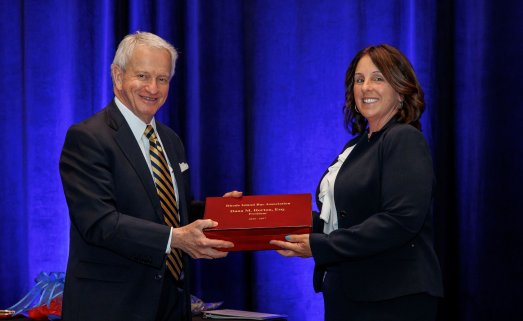
Peter is a past chair of our firm’s Pro Bono Committee. His own pro bono efforts focus on representing children in neglect and abuse cases through the firm’s long-standing relationship with Lawyers for Children America (LFCA). Based on his many years of service to LFCA, the Connecticut Bar Association honored him with its Anthony V. DeMayo Pro Bono Award in 2016. Peter was also part of a team of firm attorneys involved in a pro bono project to combat poaching and illegal wildlife trafficking in Namibia, Myanmar, and Laos by strengthening the country’s legislative framework.

Peter has written and presented on a number of topics related to environmental enforcement, environmental regulation of commercial shipping, environmental disclosures, and climate change litigation.  
  • University of Connecticut School of Law (Juris Doctor, with honors)
    • Connecticut Journal of International Law
  • Wesleyan University (Bachelors)
    • B.A., English

  • State of Connecticut
  • U.S. Court of Appeals, 2nd Circuit
  • U.S. Court of Appeals, 9th Circuit
  • U.S. District Court, District of Connecticut

Lawyers for Children America (LFCA) “Advocate Hero,” 2025

Robinson+Cole Pro Bono Award, 2024

Lawyers for Children America Pro Bono Service Honoree, 2019

Connecticut Bar Association's Anthony V. DeMayo Pro Bono Award recipient, 2016

Robinson+Cole Pro Bono Service Award Recipient, 2014

University of Connecticut School of Law
Adjunct Professor

Lawyers for Children America
Co, chair, LFCA Advocates Network
Pro Bono Volunteer

Connecticut Forest and Park Association
Board of Directors
Chair, Governance Committee

Connecticut Legal Services, Inc.
Board of Directors

Legal Food Hub
Attorney Council

Experience


Environmental Litigation: Environmental Class Action Jury Trial

Represented transportation company in defense of an environmental class action jury trial in Massachusetts state court, one of the very few class action trials resulting from an environmental incident, and, to our knowledge, the first environmental class action ever tried in Massachusetts. The case involved claims for property damage resulting from an oil spill in Buzzards Bay. The class was made up of approximately 1,000 residents from the Town of Mattapoisett who alleged their shoreline property was oiled as a result of the spill. The trial, which lasted two weeks, addressed the claims of eight individual class members. The jury ultimately awarded a very favorable result for the client. The results of these initial cases provided the parties with a basis to resolve the remaining claims.

Read More

Environmental Litigation: CERCLA Cost Recovery Claim

Represented nuclear fuel manufacturer in Comprehensive Environmental Response, Compensation, and Liability Act CERCLA cost recovery claim against the United States. The facility was contaminated with highly enriched uranium as a result of contract work performed for the U.S. Navy in connection with the development of the nuclear submarine program. Our client recovered a substantial portion of its multi-million dollar site remediation costs from the Government. The cleanup was conducted under the auspices of the Nuclear Regulatory Commission.

Read More

Environmental Litigation: Multiparty CERCLA Cost Recovery Action

Represented former nuclear fuel manufacturer based in Illinois in multiparty CERCLA cost recovery action brought by current facility owner against former operators and arrangers, including the United States. Current owner conducted multimillion dollar site remediation and site closure to address a legacy of radiological contamination.

Read More


Publications


May 8, 2025

States Sue Trump Administration Over Blocked Wind Developments

Environmental Law+ Blog

On Monday, May 4, 2025, a coalition of 17 states and the District of Columbia filed suit in Massachusetts District Court over the Trump administration’s efforts to block federal permits for all offshore wind development. The administration’s policy was announced in a January 20, 2025 executive order placing federal permitting of wind projects on hold while the Interior Department reviews applications for offshore leases. The lawsuit asks the court to declare the executive order unlawful and to prevent federal agencies from taking any measures to block or delay wind projects, claiming the it is baseless and unjustified. Several offshore wind projects are under development, having advanced through the long list of environmental reviews required by federal law, while others are in the regulatory pipeline. The plaintiffs note that the executive order contradicts the administration’s simultaneous declaration of a “national energy emergency,” and undermines efforts by the affected plaintiffs to comply with their renewable energy requirements. Notwithstanding the executive order, the offshore wind industry has faced economic headwinds in recent years that have resulted in delays, additional costs, and, in some cases, project cancelations. As a result of economic uncertainty and political hostility, the status of offshore wind projects varies widely – Atlantic Shores (1.5GW) off the coast of New Jersey recently had its air pollution permit invalidated by the EPA; Empire Wind (810MW) off the coast of New York is under a stop order issued by the Interior Department; Beacon Wind (2.5GW) off the coast of New York withdrew a key permit application, citing the need to reevaluate the project design; Vineyard Wind 1 (800MW) off the coast of Massachusetts is on track to complete construction in 2025; New England Wind 1 and 2 (2.6GW) off the coast of Massachusetts is fending off lawsuits to reopen its Clean Air Act permits; Southcoast Wind (2.4GW) off the coast of Massachusetts has announced a construction delay; and Revolution Wind (704MW) off the coast of Rhode Island is progressing. The jurisdictions involved in the lawsuit are Arizona, California, Colorado, Connecticut, Delaware, District of Columbia, Illinois, Massachusetts, Maine, Maryland, Michigan, Minnesota, New Jersey, New Mexico, New York, Oregon, Rhode Island, and Washington. Visit our Environmental Law+ blog. 

June 25, 2024

How Justices’ Chevron Ruling May Influence Wind Projects

Law360

The article covers recent challenges to offshore wind projects, and how an anticipated ruling by the U.S. Supreme Court may upend long-standing principles of deference to federal agency decision making. “The court’s decision could influence the agencies’ rulemaking process, how agencies interpret their statutory authority, and the deference that courts apply to those interpretations,” they write. “While the statutes and regulations governing the approval process for offshore wind projects will remain constant, at least for the time being, the federal courts’ framework for reviewing agencies’ decision making based on those rules could be subject to upheaval.” Read the article.

Legal Update: First Circuit Rejects Challenges to Federal Permits for Vineyard Wind 1 teaser
May 21, 2024

Legal Update: First Circuit Rejects Challenges to Federal Permits for Vineyard Wind 1

May 8, 2025

States Sue Trump Administration Over Blocked Wind Developments

Environmental Law+ Blog

On Monday, May 4, 2025, a coalition of 17 states and the District of Columbia filed suit in Massachusetts District Court over the Trump administration’s efforts to block federal permits for all offshore wind development. The administration’s policy was announced in a January 20, 2025 executive order placing federal permitting of wind projects on hold while the Interior Department reviews applications for offshore leases. The lawsuit asks the court to declare the executive order unlawful and to prevent federal agencies from taking any measures to block or delay wind projects, claiming the it is baseless and unjustified. Several offshore wind projects are under development, having advanced through the long list of environmental reviews required by federal law, while others are in the regulatory pipeline. The plaintiffs note that the executive order contradicts the administration’s simultaneous declaration of a “national energy emergency,” and undermines efforts by the affected plaintiffs to comply with their renewable energy requirements. Notwithstanding the executive order, the offshore wind industry has faced economic headwinds in recent years that have resulted in delays, additional costs, and, in some cases, project cancelations. As a result of economic uncertainty and political hostility, the status of offshore wind projects varies widely – Atlantic Shores (1.5GW) off the coast of New Jersey recently had its air pollution permit invalidated by the EPA; Empire Wind (810MW) off the coast of New York is under a stop order issued by the Interior Department; Beacon Wind (2.5GW) off the coast of New York withdrew a key permit application, citing the need to reevaluate the project design; Vineyard Wind 1 (800MW) off the coast of Massachusetts is on track to complete construction in 2025; New England Wind 1 and 2 (2.6GW) off the coast of Massachusetts is fending off lawsuits to reopen its Clean Air Act permits; Southcoast Wind (2.4GW) off the coast of Massachusetts has announced a construction delay; and Revolution Wind (704MW) off the coast of Rhode Island is progressing. The jurisdictions involved in the lawsuit are Arizona, California, Colorado, Connecticut, Delaware, District of Columbia, Illinois, Massachusetts, Maine, Maryland, Michigan, Minnesota, New Jersey, New Mexico, New York, Oregon, Rhode Island, and Washington. Visit our Environmental Law+ blog. 

June 25, 2024

How Justices’ Chevron Ruling May Influence Wind Projects

Law360

The article covers recent challenges to offshore wind projects, and how an anticipated ruling by the U.S. Supreme Court may upend long-standing principles of deference to federal agency decision making. “The court’s decision could influence the agencies’ rulemaking process, how agencies interpret their statutory authority, and the deference that courts apply to those interpretations,” they write. “While the statutes and regulations governing the approval process for offshore wind projects will remain constant, at least for the time being, the federal courts’ framework for reviewing agencies’ decision making based on those rules could be subject to upheaval.” Read the article.

Legal Update: First Circuit Rejects Challenges to Federal Permits for Vineyard Wind 1 teaser
May 21, 2024

Legal Update: First Circuit Rejects Challenges to Federal Permits for Vineyard Wind 1

December 7, 2023

Tidal Changes in U.S. Offshore Wind Development

The Maritime Executive

The article covers offshore wind developments impacting the Biden administration’s renewable energy goals, including recent regional developments in Connecticut and constraints facing the offshore wind industry in the northeast. Facing obstacles has slowed development, but they provide an optimistic perspective moving forward, writing, Despite these setbacks, state governments continue to explore OSW development and ways to alleviate some of the economic and logistical hurdles standing in the way of progress. View the article.

May 27, 2021

COVID-19 and its Impact on the OSHA Inspection Process

ISHN (Industrial Safety & Hygiene News)

Taking into consideration how COVID-19 has brought significant changes to OSHA’s inspection and enforcement focus, the article offers best practices for managing facility inspections, both generally and with specific references to COVID considerations. Read the article.

April 19, 2021

Combustible Dust and OSHA Inspections

EHS Today

The article focuses on OSHA’s Combustible Dust National Emphasis Program, which continues to be an area of focus and enforcement. While OSHA does not have its own combustible dust standard, the Administration has said it will rely on the General Duty Clause and National Fire Protection Association (NFPA) standards for enforcement. Guidelines to prepare for and handle OSHA inspections are in some cases universal, but when combustible dust may be a factor, there are some unique considerations for employers to be mindful of. Megan, Chris, Peter and Jon cover the actions employers can take before, during, and after an inspection to mitigate the potential for a citation. Read the full article.

March 2021

Avoiding Dust- Ups with OSHA over NFPA 652 Compliance

ISHN (Industrial Safety & Hygiene News)

The article offers an update on OSHA's Combustible Dust National Emphasis Program, which was launched in 2008 and continues to be an area of focus and enforcement. "While no OSHA standard directly addresses combustible dust, this has not hindered OSHA enforcement. Instead, OSHA has relied on the General Duty Clause and reference to the National Fire Protection Association (NFPA) standards when citing employers for combustible dust hazards." Under NFPA 652 facilities were required to complete an initial dust hazard analysis by September 7, 2020. Megan, Chris, Peter and Jon also briefly cover the applicable NFPA standards and OSHA’s compliance guidance. Read the full article.

February 10, 2021

Breaking the chain of “substantial continuity” — Tenth Circuit clarifies test for repeat OSHA violations

ISHN (Industrial Safety & Hygiene News)

The Tenth Circuit Court of Appeals in Sec’y of Labor v. Wynnewood Refining Co. recently evaluated the applicability of the substantial continuity test in connection with an OSHA citation that included several repeat violations. The article offers background on the important role that repeat violations play in OSHA citations, how the substantial continuity test has been applied in determining whether a current company should be held liable for repeat citations based on citations from a prior company, and how the Tenth Circuit addressed that question in Wynnewood Refining. Read the full article.

January 7, 2021

COVID-19 and OSHA: Where we started and where we are now

ISHN (Industrial Safety & Hygiene News)

The article gives a brief summary of OSHA’s response to COVID-19 to date and where enforcement measures currently stand. The piece also examines COVID-19 enforcement trends and offers some insight on changes and challenges for employers in 2021. Read the full article.


December 7, 2023

Tidal Changes in U.S. Offshore Wind Development

The Maritime Executive

The article covers offshore wind developments impacting the Biden administration’s renewable energy goals, including recent regional developments in Connecticut and constraints facing the offshore wind industry in the northeast. Facing obstacles has slowed development, but they provide an optimistic perspective moving forward, writing, Despite these setbacks, state governments continue to explore OSW development and ways to alleviate some of the economic and logistical hurdles standing in the way of progress. View the article.

May 27, 2021

COVID-19 and its Impact on the OSHA Inspection Process

ISHN (Industrial Safety & Hygiene News)

Taking into consideration how COVID-19 has brought significant changes to OSHA’s inspection and enforcement focus, the article offers best practices for managing facility inspections, both generally and with specific references to COVID considerations. Read the article.

April 19, 2021

Combustible Dust and OSHA Inspections

EHS Today

The article focuses on OSHA’s Combustible Dust National Emphasis Program, which continues to be an area of focus and enforcement. While OSHA does not have its own combustible dust standard, the Administration has said it will rely on the General Duty Clause and National Fire Protection Association (NFPA) standards for enforcement. Guidelines to prepare for and handle OSHA inspections are in some cases universal, but when combustible dust may be a factor, there are some unique considerations for employers to be mindful of. Megan, Chris, Peter and Jon cover the actions employers can take before, during, and after an inspection to mitigate the potential for a citation. Read the full article.

March 2021

Avoiding Dust- Ups with OSHA over NFPA 652 Compliance

ISHN (Industrial Safety & Hygiene News)

The article offers an update on OSHA's Combustible Dust National Emphasis Program, which was launched in 2008 and continues to be an area of focus and enforcement. "While no OSHA standard directly addresses combustible dust, this has not hindered OSHA enforcement. Instead, OSHA has relied on the General Duty Clause and reference to the National Fire Protection Association (NFPA) standards when citing employers for combustible dust hazards." Under NFPA 652 facilities were required to complete an initial dust hazard analysis by September 7, 2020. Megan, Chris, Peter and Jon also briefly cover the applicable NFPA standards and OSHA’s compliance guidance. Read the full article.

February 10, 2021

Breaking the chain of “substantial continuity” — Tenth Circuit clarifies test for repeat OSHA violations

ISHN (Industrial Safety & Hygiene News)

The Tenth Circuit Court of Appeals in Sec’y of Labor v. Wynnewood Refining Co. recently evaluated the applicability of the substantial continuity test in connection with an OSHA citation that included several repeat violations. The article offers background on the important role that repeat violations play in OSHA citations, how the substantial continuity test has been applied in determining whether a current company should be held liable for repeat citations based on citations from a prior company, and how the Tenth Circuit addressed that question in Wynnewood Refining. Read the full article.

January 7, 2021

COVID-19 and OSHA: Where we started and where we are now

ISHN (Industrial Safety & Hygiene News)

The article gives a brief summary of OSHA’s response to COVID-19 to date and where enforcement measures currently stand. The piece also examines COVID-19 enforcement trends and offers some insight on changes and challenges for employers in 2021. Read the full article.


News


May 13, 2026

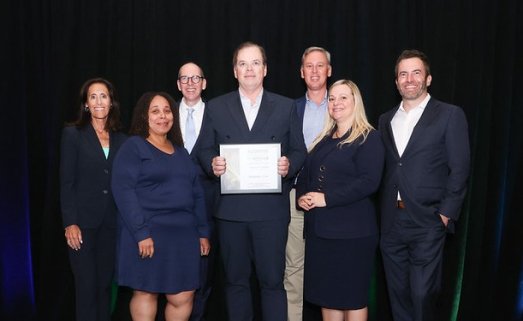
Bankruptcy + Reorganizations Group Earns Multiple Recognitions at 18th Annual Turnaround Atlas Awards

Robinson+Cole’s Bankruptcy + Reorganizations group earned multiple recognitions at The Global M&A Network’s 18th Annual Turnaround Atlas Awards on May 12, 2026, highlighting the team’s work on two high‑profile restructuring matters and a related individual professional distinction. The awards honor the best value‑creating transactions, as well as outstanding firms, professionals, and leaders from the global restructuring, insolvency, and distressed investing communities. “Ch. 11 Reorganization of the Year” was presented in recognition of the pivotal role the firm played as counsel to the Tort Claimants’ Committee in the landmark Chapter 11 case involving Presperse Corporation, a subsidiary of Sumitomo Corporation of the Americas. The matter was led by partners Mark Fink and Natalie Ramsey, with support from Laurie Krepto, Peter Knight, and Jenna Scoville. Robinson+Cole also represented the Official Committee of Unsecured Creditors in SWC Industries LLC, securing a favorable settlement that delivered significant additional recovery and a strong liquidation plan for unsecured creditors. That matter was awarded “Distressed Investment Deal of the Year,” and was led by Natalie Ramsey along with Jamie Edmonson, Rachel Jaffe Mauceri, Evan Lazerowitz, Laurie Krepto, and Rick Willi.  Rachel Jaffe Mauceri also received a notable recognition, being named to Global M&A Network’s 14th annual Top 100 Restructuring Professionals list as a Top 50 Restructuring Lawyer. The list features 25 consultants, 25 investment bankers, and 50 lawyers from the bankruptcy and distressed investing communities across the Americas. Candidates are identified through a highly competitive process that begins with an evaluation of firms and top‑performing or award‑winning transactions closed in 2025 and recognized as part of Global M&A Network’s Turnaround Atlas Awards. Only one professional per firm practice group is selected each year.

Global M&A Network
Bankruptcy + Reorganizations Group Earns Multiple Recognitions at 18th Annual Turnaround Atlas Awards teaser
March 31, 2026

Bankruptcy + Reorganization Group Wins “Ch. 11 Reorganization of the Year” & “Restructuring of the Year”

The M&A Advisor
Bankruptcy + Reorganization Group Wins “Ch. 11 Reorganization of the Year” & “Restructuring of the Year” teaser
November 10, 2025

Bankruptcy + Reorganizations Group Leads First-Ever Talc Bankruptcy Confirmed with Section 524(g) Injunction

May 13, 2026

Bankruptcy + Reorganizations Group Earns Multiple Recognitions at 18th Annual Turnaround Atlas Awards

Robinson+Cole’s Bankruptcy + Reorganizations group earned multiple recognitions at The Global M&A Network’s 18th Annual Turnaround Atlas Awards on May 12, 2026, highlighting the team’s work on two high‑profile restructuring matters and a related individual professional distinction. The awards honor the best value‑creating transactions, as well as outstanding firms, professionals, and leaders from the global restructuring, insolvency, and distressed investing communities. “Ch. 11 Reorganization of the Year” was presented in recognition of the pivotal role the firm played as counsel to the Tort Claimants’ Committee in the landmark Chapter 11 case involving Presperse Corporation, a subsidiary of Sumitomo Corporation of the Americas. The matter was led by partners Mark Fink and Natalie Ramsey, with support from Laurie Krepto, Peter Knight, and Jenna Scoville. Robinson+Cole also represented the Official Committee of Unsecured Creditors in SWC Industries LLC, securing a favorable settlement that delivered significant additional recovery and a strong liquidation plan for unsecured creditors. That matter was awarded “Distressed Investment Deal of the Year,” and was led by Natalie Ramsey along with Jamie Edmonson, Rachel Jaffe Mauceri, Evan Lazerowitz, Laurie Krepto, and Rick Willi.  Rachel Jaffe Mauceri also received a notable recognition, being named to Global M&A Network’s 14th annual Top 100 Restructuring Professionals list as a Top 50 Restructuring Lawyer. The list features 25 consultants, 25 investment bankers, and 50 lawyers from the bankruptcy and distressed investing communities across the Americas. Candidates are identified through a highly competitive process that begins with an evaluation of firms and top‑performing or award‑winning transactions closed in 2025 and recognized as part of Global M&A Network’s Turnaround Atlas Awards. Only one professional per firm practice group is selected each year.

Global M&A Network
Bankruptcy + Reorganizations Group Earns Multiple Recognitions at 18th Annual Turnaround Atlas Awards teaser
March 31, 2026

Bankruptcy + Reorganization Group Wins “Ch. 11 Reorganization of the Year” & “Restructuring of the Year”

The M&A Advisor
Bankruptcy + Reorganization Group Wins “Ch. 11 Reorganization of the Year” & “Restructuring of the Year” teaser
November 10, 2025

Bankruptcy + Reorganizations Group Leads First-Ever Talc Bankruptcy Confirmed with Section 524(g) Injunction

February 11, 2025

Peter Knight Quoted in Hartford Business Journal Article on Jones Act’s Impact on New England’s Energy Costs

Hartford Business Journal
November 8, 2024

Peter Knight and Robinson+Cole Recognized at Lawyers for Children America’s “Champions for Children” Celebration

Peter Knight and Robinson+Cole Recognized at Lawyers for Children America’s “Champions for Children” Celebration teaser
August 1, 2024

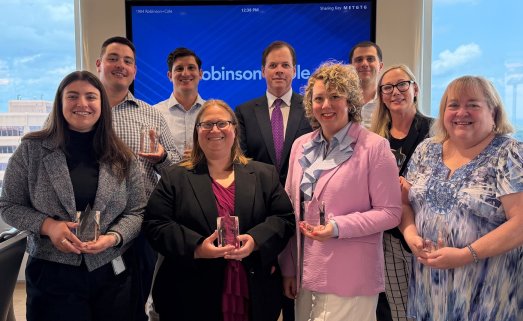
Robinson+Cole Presents 2024 Awards

June 26, 2024

Peter Knight, John Casey, and Eden Yerby Co-Author Law360 Article on How SCOTUS Rulings May Impact Wind Projects

Law360
March 1, 2024

Peter Knight Named Co-Chair of Lawyers for Children America Advocate Network

Lawyers for Children America
December 20, 2023

Peter Knight, Jess Bardi, and Eden Yerby Author Article on “Tidal Changes in U.S. Offshore Wind Development” in The Maritime Executive

The Maritime Executive

February 11, 2025

Peter Knight Quoted in Hartford Business Journal Article on Jones Act’s Impact on New England’s Energy Costs

Hartford Business Journal
November 8, 2024

Peter Knight and Robinson+Cole Recognized at Lawyers for Children America’s “Champions for Children” Celebration

Peter Knight and Robinson+Cole Recognized at Lawyers for Children America’s “Champions for Children” Celebration teaser
August 1, 2024

Robinson+Cole Presents 2024 Awards

June 26, 2024

Peter Knight, John Casey, and Eden Yerby Co-Author Law360 Article on How SCOTUS Rulings May Impact Wind Projects

Law360
March 1, 2024

Peter Knight Named Co-Chair of Lawyers for Children America Advocate Network

Lawyers for Children America
December 20, 2023

Peter Knight, Jess Bardi, and Eden Yerby Author Article on “Tidal Changes in U.S. Offshore Wind Development” in The Maritime Executive

The Maritime Executive

Events


Past

Lawyers for Children America "Champions for Children: Celebrating 30 Years of Protecting Children and Partnering for Change"

Nov 7 2024
The Society Room of Hartford
Past

CERCLA Year in Review

10/21/2021
Robinson + Cole
Past

Lawyers for Children America "Champions for Children: Celebrating 30 Years of Protecting Children and Partnering for Change"

Nov 7 2024
The Society Room of Hartford
Past

CERCLA Year in Review

10/21/2021
Robinson + Cole
Past

Responding to Safety Complaints and Incidents – Case Studies

10/08/2020
Past

Lawyers Lending a Hand in Recovery

6/12/2020
CWCSEO Small Business Matters Series of videos
Past

Advances in Climate Change Litigation

Nov 20 2019
American Bar Association Roundtable
Past

Dredging and Environmental Issues

Feb 12 2019
2019 Port Administration and Legal Issues Seminar presented by the American Association of Port Authorities
Past

Responding to Safety Complaints and Incidents – Case Studies

10/08/2020
Past

Lawyers Lending a Hand in Recovery

6/12/2020
CWCSEO Small Business Matters Series of videos
Past

Advances in Climate Change Litigation

Nov 20 2019
American Bar Association Roundtable
Past

Dredging and Environmental Issues

Feb 12 2019
2019 Port Administration and Legal Issues Seminar presented by the American Association of Port Authorities

Environmental Law +


Below is an excerpt of Environmental Law + blog posts authored by Peter.

Federal Courts Unswayed by Administration Stop Work Orders

Echoing recent rulings from the District Court for the District of Columbia, on January 16, 2026, the District Court for the Eastern District of Virginia granted Dominion Energy’s request for a preliminary injunction, lifting the Trump administration’s suspension of the Coastal Virginia Offshore Wind project. Earlier that same week, two other judges in same district  granted similar requests made by Equinor for its Empire Wind project and Ørsted for its Revolution Wind project. Work on the three projects has resumed and, in the case of Revolution Wind, construction is nearing completion. The three developers successfully argued that the work stoppages would result in imminent and irreparable harm. Justice Department officials countered by claiming that the national security concerns that putatively justified the December 2025 stop work orders outweighed the developers’ economic interests. Thus far, reviewing courts have held that those security concerns, which allege a generalized risk of interference with radar systems, have not been sufficiently articulated.  While the preliminary injunctions allow the projects to continue, the cases will continue to be litigated on their merits. Concerning the remaining two projects subject to the stop work order, Vineyard Wind is challenging the stop work order in Massachusetts federal court and Sunrise Wind filed for an injunction in the District of Columbia. 

Visit Blog

Offshore Developers Wind Up Challenges To Latest Stop Work Orders

In response to the Trump administration’s latest suspension of offshore wind development, three of the five affected developers have filed lawsuits in federal court seeking to overturn the stop work orders: Dominion Energy on behalf of its Coastal Virginia Offshore Wind project; Ørsted on behalf of its Revolution Wind project; and Equinor on behalf of its Empire Wind project. All three projects are under construction, with Revolution Wind nearly 90% complete and Empire Wind over 60% complete. Consistent with prior legal actions opposing the administration’s efforts to halt offshore wind development, the complaints allege that the Department of the Interior’s (DOI) order of December 22, 2025 (which the plaintiffs claim is costing them millions of dollars for each day the projects are on hold), is illegal and that the DOI’s alleged national security justification for the orders is baseless and pretextual. The developers are backed by the Attorneys General of Connecticut and Rhode Island, who filed their own actions to block the shutdowns. Those cases are now consolidated in the U.S. District Court for the District of Columbia. To date, federal courts have been receptive to arguments raised by both developers and the states that are relying on offshore generation. Ørsted successfully brought suit in the District of Columbia challenging the DOI’s prior efforts to block Revolution Wind, and on December 8, 2025, a federal court in Massachusetts ruled that the administration’s blanket ban on permit application review of wind projects was illegal. Ørsted’s prior action in the District of Columbia was heard by Judge Royce Lamberth, who will preside over the newly consolidated cases.  An initial hearing is scheduled for Monday, January 12, 2026.

Visit Blog

Just When You Thought It Was Safe To Go Back Into The Water – Trump Administration Halts Offshore Wind Projects

On December 22, citing security concerns, the U.S. Department of the Interior (DOI) announced that it was pausing leases for all offshore wind projects currently under construction. The stop-work order blocks further construction of Vineyard Wind 1, Revolution Wind, Coastal Virginia Offshore Wind, Sunrise Wind, and Empire Wind 1. All five projects had obtained leases during the Biden administration. Vineyard Wind 1 is already partially operational, with nearly half of the project’s 62 turbines generating electricity. Both Empire Wind and Revolution Wind were the subject of prior stop-work orders, but following negotiations with the Trump administration in the case of Empire Wind and litigation in the case of Revolution Wind, both projects had resumed construction. Currently, only two small wind farms in U.S. coastal waters are fully operational – Block Island Wind off the coast of Rhode Island with five turbines and South Fork Wind off the coast of New York with twelve turbines. In announcing the work stoppage, Secretary of the Interior Doug Burgum claimed that “recently completed classified reports” by the Department of Defense (DOD) identified possible radar interference as a potential security risk. Project proponents have noted that the project permitting process included review and approval by the DOD. This latest stop work order will likely be challenged. Earlier this month, a federal court in Massachusetts ruled that the administration’s ban on the review of offshore wind permits, a policy announced when President Trump took office, was illegal. There, the court determined that in the absence of a clearly articulated rationale beyond the President’s personal contempt for wind turbines, the offshore ban was arbitrary and capricious and a violation of the Administrative Procedures Act (APA). While the DOI’s new stop work order cites emerging national security concerns, a federal court may ultimately need to determine whether it, too, violates the APA. In the meantime, approximately $25 billion worth of projects and an estimated 10,000 jobs face an uncertain future.

Visit Blog

Court Knocks the Wind out of Trump Administration’s Offshore Ban

On December 8, 2025, a Massachusetts federal court ruled that the Trump administration’s ban on permit application review for offshore and onshore wind projects was illegal.  While the ruling will not necessarily result in the issuance of new permits, it lifts the moratorium on review and processing of applications. In May 2025, a coalition of 17 states, the District of Columbia, and the Alliance for Clean Energy filed suit in federal court to overturn an executive order announced in the early days of the administration that placed all federal permitting of wind projects on hold. In granting plaintiffs’ motion for summary judgment, Judge Patti Saris agreed that the executive order was arbitrary and capricious, in violation of the Administrative Procedures Act (APA).  The administration had argued both that the executive order was a lawful action within the President’s authority to set energy policy and the plaintiffs lacked standing to sue. The court was not persuaded.  Defendants overcame the administration’s standing challenge by providing adequate evidence of ongoing or imminent injuries due to the moratorium, including project delays and the states’ inability to reduce greenhouse gas emissions. With a “scant” administrative record to review, Judge Saris then determined that because “the sole factor the defendants considered in deciding to stop issuing permits was the president’s direction to do so,” the Government had not reasonably considered all relevant issues or reasonably explained its decision, as required by the APA. The administration may appeal the decision. Even if the ruling withstands a challenge, it will not result in fast tracking or green-lighting new permit applications. While the administration can no longer decline to consider wind projects pursuant to the executive order, nothing compels federal agencies to approve them.

Visit Blog

Revolution Wind Blasts Back

Following the Trump administration’s abrupt cancelation of the Revolution Wind project at the end of August, Revolution Wind LLC, a joint venture between Ørsted and Skyborn Renewables, filed suit in the U.S. District Court for the District of Columbia seeking to prevent enforcement of the stop work order. Revolution Wind contends that the order was motivated by political partisanship and that the administration’s claimed “national security” justification was arbitrary and capricious.  On a parallel track, Connecticut and Rhode Island brought a similar action in Rhode Island District Court, claiming that the cancellation order was baseless and harmed ratepayers in both states, which were to have been the beneficiaries of the 704 MW of anticipated generation from the project. Revolution Wind had completed all state and federal reviews, including the Department of Defense, and was approximately 80% completed at the time of the order. The Trump administration has also announced its intention to revoke federal approvals for New England Wind, which is not yet under construction, and other projects off the coast of Maryland. Revocation of these permits would complete the targeting of active and pending offshore projects off the coasts of Maryland, Massachusetts, New York (with the exception of Empire Wind, which was able to reverse a revocation order), New Jersey, and Rhode Island. Coastal Virginia Offshore Wind, a 60% completed offshore project that has maintained the support of Republican Virginia Governor Glenn Youngkin, has thus far been allowed to proceed.

Visit Blog

Trump Administration Derails Revolution Wind as Court Fight over Federal Policy Wages On

On Friday, August 22, 2025, the Trump administration announced the cancellation of the Revolution Wind project located off the south coast of Rhode Island, east of Block Island. At the time of the stop work order, the project, based out of the State Pier in New London, Connecticut, was approximately 80% complete with foundations in place and 45 of 65 turbines installed. Revolution Wind was slated to provide 304 MW of power to Connecticut and 400 MW of power to Rhode Island. Following the completion of the project, the State Pier was poised to take delivery of parts for Sunrise Wind, an 84-turbine project off the coast of Long Island with the capacity to provide 924 MW of renewable energy. Ørsted, the beleaguered developer of both projects, announced that it would comply with the order while evaluating its options and continuing to secure funding for Sunrise Wind. Connecticut’s federal delegation questioned the basis for the stop-work order, which referenced unspecified national security interests. The cancellation of Revolution Wind is reminiscent of the administration’s April 2025 stop work order for the Empire Wind project off the coast of Long Island, which was under development at the time. There, the U.S. Department of the Interior ultimately reversed its order following an intensive lobbying effort by Equinor ASA, the developer, which had coordinated with New York federal, state, and city officials to get the project back on track.  Elsewhere, the lawsuit brought in a Massachusetts federal court by a coalition of 17 states and the District of Columbia following the Trump administration’s January 20, 2025 executive order blocking federal permits for all new offshore wind development continues.  Opposition briefs to summary judgment motions were filed on August 22, 2025.  The plaintiffs argue that the administration’s “indefinite, across-the-board suspensions are arbitrary, capricious, or contrary to law” under the Administrative Procedure Act. The Government contends that the U.S. Department of Interior’s decision to follow an executive directive is a “quintessential non-final agency action” that is not subject to judicial review.

Visit Blog

Project Opponents of Empire Wind Strike Back

As recently reported, on May 19, 2025, the U.S. Department of the Interior reversed the stop work order it issued on April 16, 2025, thereby allowing the $5 billion, 2 GW, Empire Wind project to proceed. On June 3, 2025, a coalition of Empire Wind opponents sued the Trump administration in federal court in New Jersey, claiming the reversal of the stop work order was unjustified. The plaintiffs assert that the bases for the original stop work order were clearly articulated in the administration’s January 20, 2025, executive order, which halted all offshore wind development pending an investigation and review of all related federal permits by the Secretary of the Interior. The plaintiffs claim that the May 19 reinstatement order, allowing Empire Wind to proceed, was issued without explanation or factual basis, in contravention of the Administrative Procedures Act (APA). Specifically, they allege that the reinstatement order makes no reference to the results of the “investigation” required by the original stop work order. In light of the administration’s sudden reversal of a stated policy position, it comes as no surprise that proponents of the original policy are aggrieved. When the reversal comes with no justification or reasoned basis, as plaintiffs allege, the court will need to decide whether it runs afoul of procedures mandated by the APA.

Visit Blog

Amidst Offshore Wind Moratorium, Empire Wind Back on Track

On May 19, 2025, the U.S. Department of the Interior reversed its April 16 stop work order and allowed the $5 billion, 2 GW, Empire Wind project 12 miles south of Long Island to proceed. The move follows an intensive lobbying effort by the project’s developer, Equinor ASA, who coordinated with federal, state, and city officials to get Empire Wind back on track. Unlike other projects affected by the Trump administration’s ban on offshore wind development, Empire Wind had received the necessary federal approvals and was under construction with ships at sea and others on standby when Secretary of the Interior, Doug Burgum, directed the Bureau of Ocean Energy Management to halt construction. Despite the disruption and a costly month’s delay, Equinor still aims for the project to be operational in 2027. In a statement, Equinor’s president and CEO thanked President Trump directly for allowing the project to continue. It remains to be seen whether the administration, which has demonstrated a transactional approach and willingness to work with commercial and governmental parties caught up in its larger policy pronouncements, will be receptive to the entreaties of other offshore projects impacted by the permitting ban.

Visit Blog

Coalition of States Dispute Trump Administration’s “National Energy Emergency” Claim

On the heels of an action by states challenging the Trump administration’s efforts to block federal permits for offshore wind development a lawsuit filed by 15 states on May 9, 2025, claims that the administration misapplied the National Emergencies Act in declaring a national energy emergency.  The emergency declaration, announced in a January 20, 2025, executive order, compels federal agencies to accelerate permit approvals for specified energy projects.  The order excludes solar and wind production from its definition of “energy” and as a result those renewable projects are not subject to expedited permitting.  The plaintiff states, led by Washington and including Arizona, California, Connecticut, Illinois, Maine, Maryland, Massachusetts, Michigan, Minnesota, New Jersey, Oregon, Rhode Island, Vermont, and Wisconsin, allege the emergency order is unlawful and will cause federal agencies to bypass or shorten critical environmental reviews.  In light of the nation’s strong domestic energy production outlook, the states are claiming that the emergency order is a ruse to implement the administration’s policies that favor oil and gas production and undermine renewable and clean energy development.  The complaint alleges that fast-tracking permit approvals for fossil fuel projects favored by the administration poses an imminent harm to critical habitats and will damage precious resources in affected states.  While a host of energy projects are covered by the order, no federal agency has yet invoked that authority to issue a permit on an accelerated basis. As a result, the lawsuit may be susceptible to challenges based on principles of ripeness and standing. The states also face an uphill battle in disputing emergency declarations under the National Emergencies Act, which, like other executive actions, are afforded a high degree of judicial deference.  In this rapidly evolving dispute over the treatment of renewable energy development under the Trump administration, on May 12, 2025, proposed plaintiff-intervenor the Alliance for Clean Energy New York filed a Motion for Preliminary Injunction in the offshore wind development case pending in federal court in Massachusetts. The Alliance seeks to restrain the Trump administration from imposing an effective ban on wind energy development. Robinson & Cole’s Environmental, Energy + Telecommunications group will continue to track the battle lines being drawn between the administration and those states that have invested in renewable and clean energy, and how those legal disputes may impact project permitting and development.

Visit Blog

States Sue Trump Administration Over Blocked Wind Developments

On Monday, May 4, 2025, a coalition of 17 states and the District of Columbia filed suit in Massachusetts District Court over the Trump administration’s efforts to block federal permits for all offshore wind development. The administration’s policy was announced in a January 20, 2025 executive order placing federal permitting of wind projects on hold while the Interior Department reviews applications for offshore leases. The lawsuit asks the court to declare the executive order unlawful and to prevent federal agencies from taking any measures to block or delay wind projects, claiming the it is baseless and unjustified. Several offshore wind projects are under development, having advanced through the long list of environmental reviews required by federal law, while others are in the regulatory pipeline. The plaintiffs note that the executive order contradicts the administration’s simultaneous declaration of a “national energy emergency,” and undermines efforts by the affected plaintiffs to comply with their renewable energy requirements.  Notwithstanding the executive order, the offshore wind industry has faced economic headwinds in recent years that have resulted in delays, additional costs, and, in some cases, project cancelations. As a result of economic uncertainty and political hostility, the status of offshore wind projects varies widely – Atlantic Shores (1.5GW) off the coast of New Jersey recently had its air pollution permit invalidated by the EPA; Empire Wind (810MW) off the coast of New York is under a stop order issued by the Interior Department; Beacon Wind (2.5GW) off the coast of New York withdrew a key permit application, citing the need to reevaluate the project design; Vineyard Wind 1 (800MW) off the coast of Massachusetts is on track to complete construction in 2025; New England Wind 1 and 2 (2.6GW) off the coast of Massachusetts is fending off lawsuits to reopen its Clean Air Act permits; Southcoast Wind (2.4GW) off the coast of Massachusetts has announced a construction delay; and Revolution Wind (704MW) off the coast of Rhode Island is progressing. The jurisdictions involved in the lawsuit are Arizona, California, Colorado, Connecticut, Delaware, District of Columbia, Illinois, Massachusetts, Maine, Maryland, Michigan, Minnesota, New Jersey, New Mexico, New York, Oregon, Rhode Island, and Washington.

Visit Blog